

Directors: Jack Jones, Ann-Kathrine Kværnoe (2019)
Length: 21:44
Link: https://boap.uib.no/index.php/jaf/article/view/2825/2799
Keywords: Greece; fishermen; refugees; sea; displacement; rescue
In their film When You Are In The Sea: Where Can You Hide? Jack Jones and Ann-Kathrine Kværnoe, both graduates of the Granada Centre for Visual Anthropology at the University of Manchester, show us two fishermen whose work and personal lives are affected by what it is like to find and save people from the sea. The film takes place in the Greek village of Skala Sikamineas, on the island of Lesvos. Jones and Kværnoe filmed this documentary in May 2016 after the influx of Syrian refugees had settled. The two men in the film are Thanasis Marmarinos and Stratis Valamios.

The film begins with Thanasis Marmarinos talking about his first experience finding people in the water while they are at sea. You do not see him speak; we hear him while we watch him work. Throughout the film, we hear only the voices from both men that were interviewed and sometimes we see interactions of them with other people in the village. The men were not speaking to the camera in any of the shots except for one.
There is minimal dialogue throughout the film which portrays the feeling that the words that are spoken have been specifically chosen and juxtaposed on the images of the film to evoke emotions and to leave space for the viewer to reflect and think about what is being said. The words seem to linger and mean more in the silence of the film, leaving us time to look at the landscape, the sea, and the city.
There is no music in the film: there are only the voices of the men and the background sounds of the sea and the city. The directors do not use a tripod, and when they film on the boat the camera moves with the waves giving a feeling as though you are on the boat with them. This movement with the waves may have been an intention way to give a feeling of sea sicknesses, which could be the director’s choice to show how the refugees may also feel while in the water. You do not see or hear the person behind the camera, which makes it feel as though you are the only one there or that it is just you and the fisherman.
The film goes back and forth between filming on land and filming on the sea and this feels like an active choice that was made to show the differences between the land and the sea. It shows the difference between the feeling of stability on land versus the movement in the sea. When the fishermen are out at sea, it is no longer just work or relaxation, the sea will never be the same for them knowing that there could be people waiting and hoping to be saved.
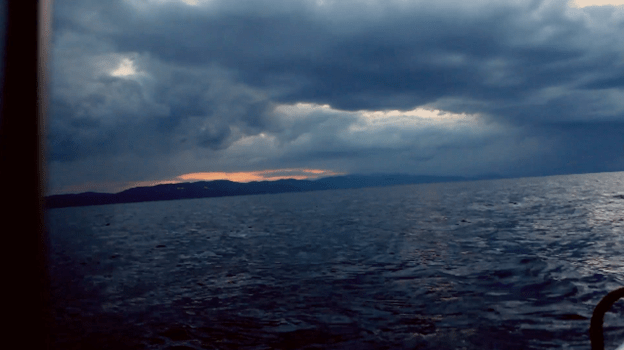
The time in between dialogue feels purposeful, the shots of the city are there to show what life is like, to show the viewer that it is a normal, peaceful city. There is also a lot of time showing the sea, and the time spent looking at it is there to help the viewer reflect on what it could be like to be out there either on a boat or in the water yourself. There is a divide between the sea and the land and yet it is also similar in that they are both so calming and familiar; however, there is this reminder that the land is where the refugees are trying to be and that the sea is a place of necessity and danger for them. The voyage across the sea that they need to overcome before getting to a calmer, safer land.
The way in which the documentary was filmed gives us pause to think about the issues that Thanasis and Stratis are talking about. Thanasis even says that if everyone were to feel the way he does about finding refugees in the sea that there would be no hate and there would be no war. This documentary does not tell you how you should feel about people trying to flee their countries, but it creates the space for you to reflect on your feelings. You hear the stories from Thanasis and Stratis and how those have affected their lives and how their experience with the sea has changed. With those stories and with the long silences and shots of the sea, you get to make up your own mind and wonder how that might change and affect you.
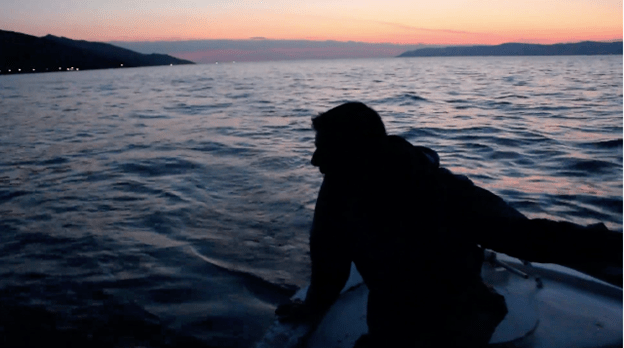
In the end, we hear Stratis say that the sea is his life and that he is still in love with the sea, no matter what. I think this is a great way to end the film, showing that even though there is sadness and tragedy from the people found in the sea, the sea is not the reason for it. The sea can still bring life, even a new life, to the ones who have used it to escape.
 Film reviews for anthropology passionates